Tifonarexu pocket cartography
Tifonarexu
TFR / 01
MOBILE APP DEVELOPMENT

BUILD THE ROUTE A THUMB CAN TRUST

Give the next
tap a clear
place to go.

Tifonarexu designs and develops mobile products as pocket routes: each screen should help a person know where they are, what changes next and how to return without losing the thread.

Open the atlas
ORIENT · CHOOSE · RETURN
Designer holding blue phone prototype
START WITH THE MOMENT THE APP NEEDS TO SUPPORT.

02 / WAYPOINTS

A mobile route
should not ask
people to guess.

Select the product pressure that is closest to the route. A waypoint is a framing question, not a generic app feature list.

MAP QUESTION

The useful action is hard to find again

Trace the moment a person returns after an interruption. The route needs an obvious re-entry, a remembered state and a choice that does not make them reconstruct the previous screen from memory.

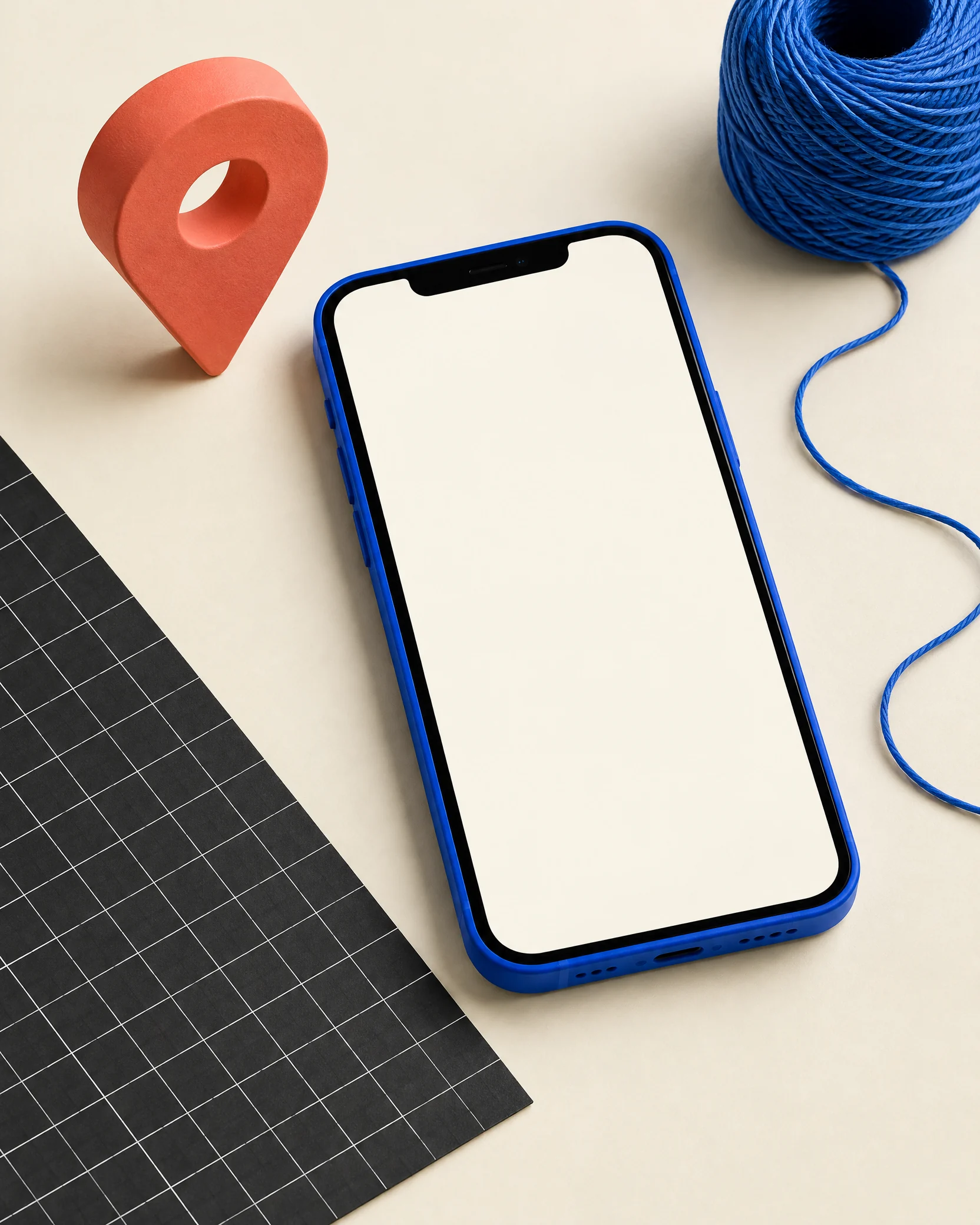
Phone mockup and map objects

03 / PIN SET

Place the
action before the
screen.

A mobile interface is more than a composed rectangle. It is a promise about an action, a state, a response and the route a person can take when their situation changes.

  • ARRIVE What does this moment need to make visible?
  • ACT What can safely change here?
  • RETURN Where does the person go next?

04 / ROUTE TABLE

Build the flow
from the moments
that matter.

Designers arranging physical interface cards
THE ROUTE IS A SEQUENCE OF DECISIONS, NOT A STRING OF SCREENS.

01 / Arrival Make the current place legible.

02 / Choice Give the action a visible consequence.

03 / Change Explain what the product has done.

04 / Return Leave a route back to useful context.

05 / BUILD COMPASS

Interface, data
and operations
share the same map.

Mobile products become fragile when the visible route is designed separately from the service, state and operational care that make it real. The compass keeps the responsibility connected.
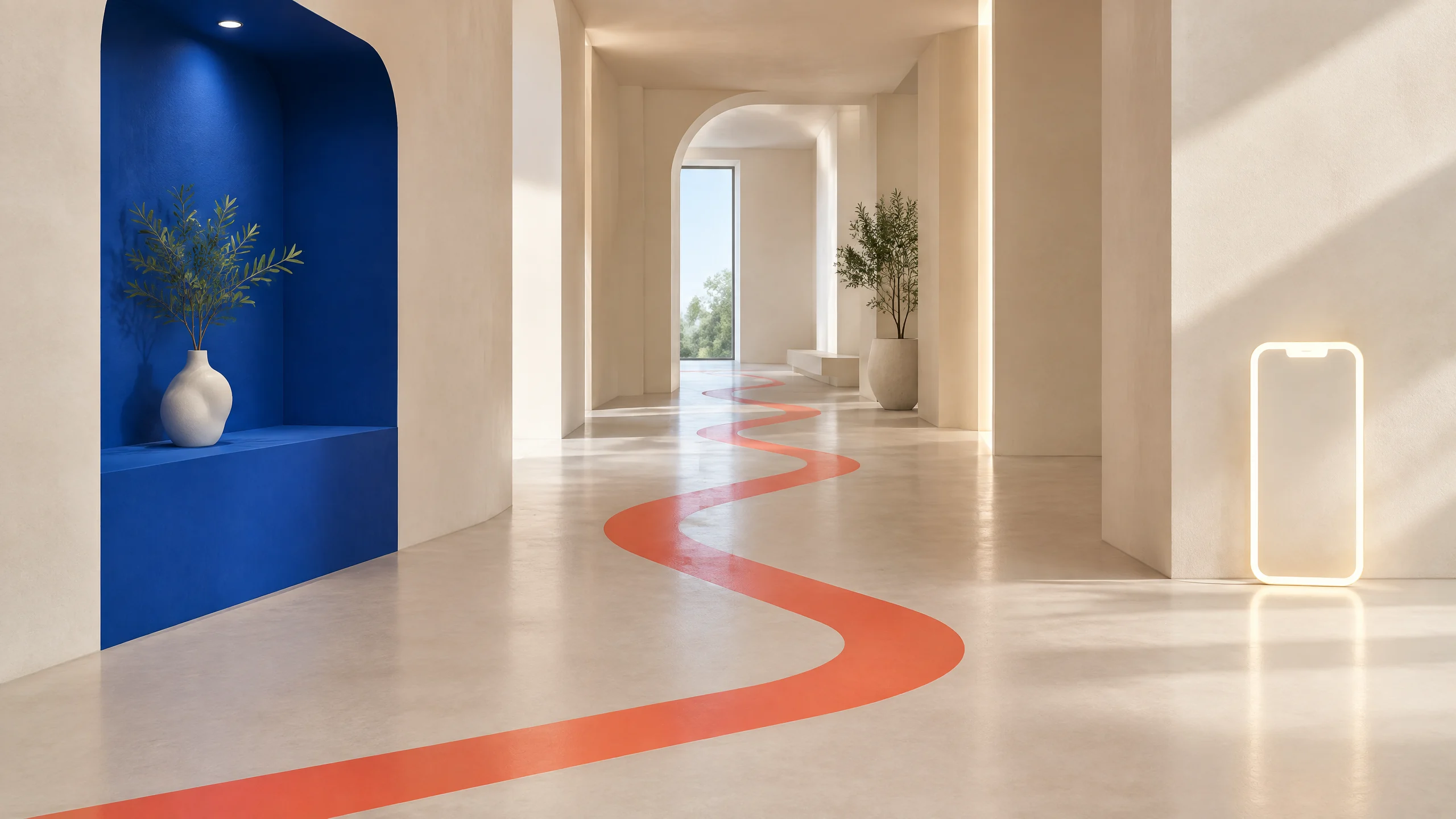
Cobalt niche in modern corridor
THE PATH NEEDS A WAY TO TURN BACK.
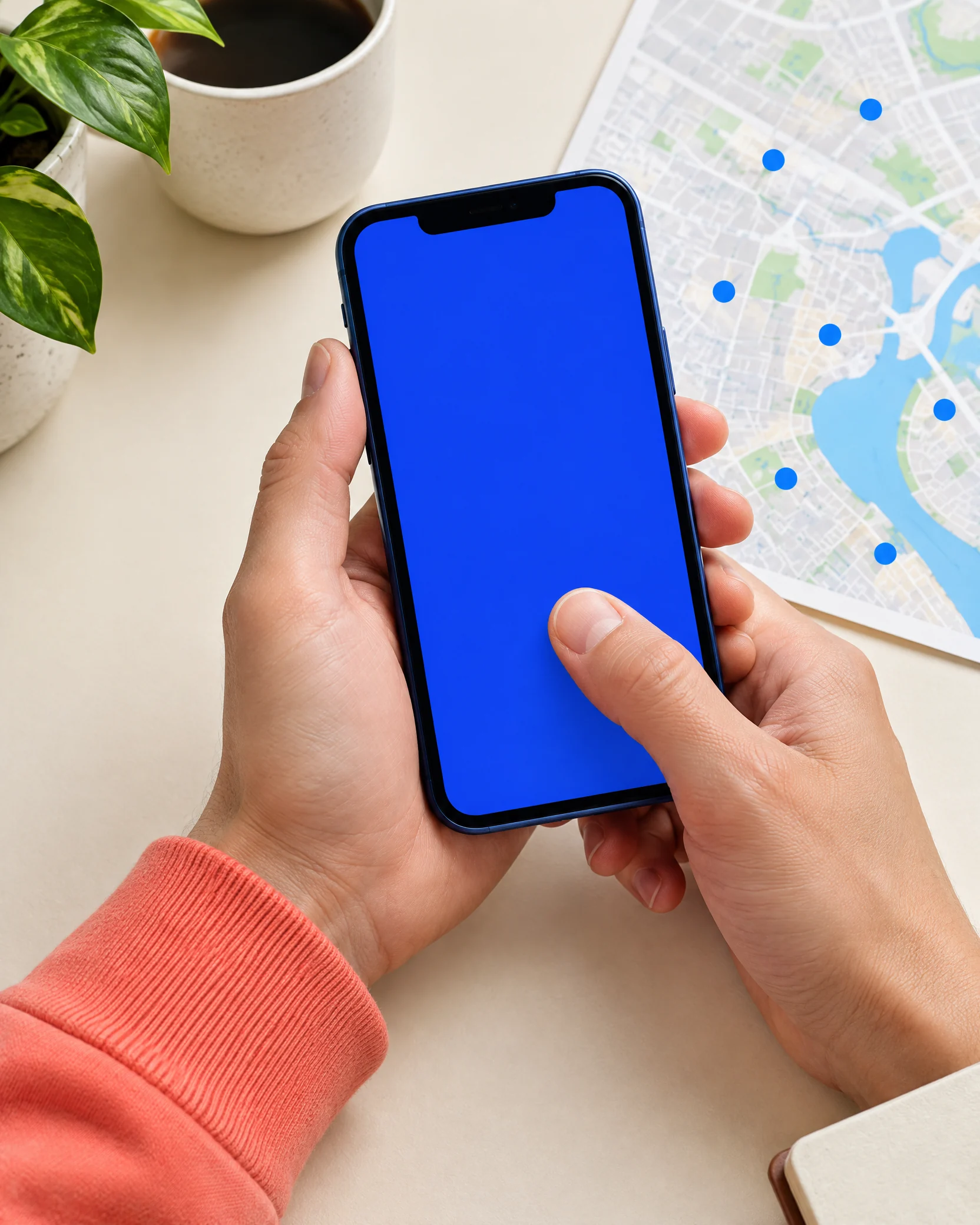
Thumb testing a cobalt phone interface
TEST THE NEXT TAP IN A REAL HAND.

06 / TOUCH REHEARSAL

The smallest
gesture can carry
a large decision.

Use the cue to frame a practical review. These prompts do not generate a UX verdict; they make a mobile test more specific.

REACH / THE GESTURE BELONGS TO THE HAND

Check whether the important action is reachable, discoverable and reversible in the position a person is likely to be using. Small physical constraints can become large product friction.

07 / HANDOFF MAP

Keep the next
team close to
the route.

A product map holds the consequential detail: the action, state, service condition, test question and the way a future collaborator can understand what should not be lost in the next release.

ActionWhat is changing for the person?

StateWhat should survive an interruption?

ServiceWhat must be true beneath the screen?

ReviewWhat needs checking in the next pass?
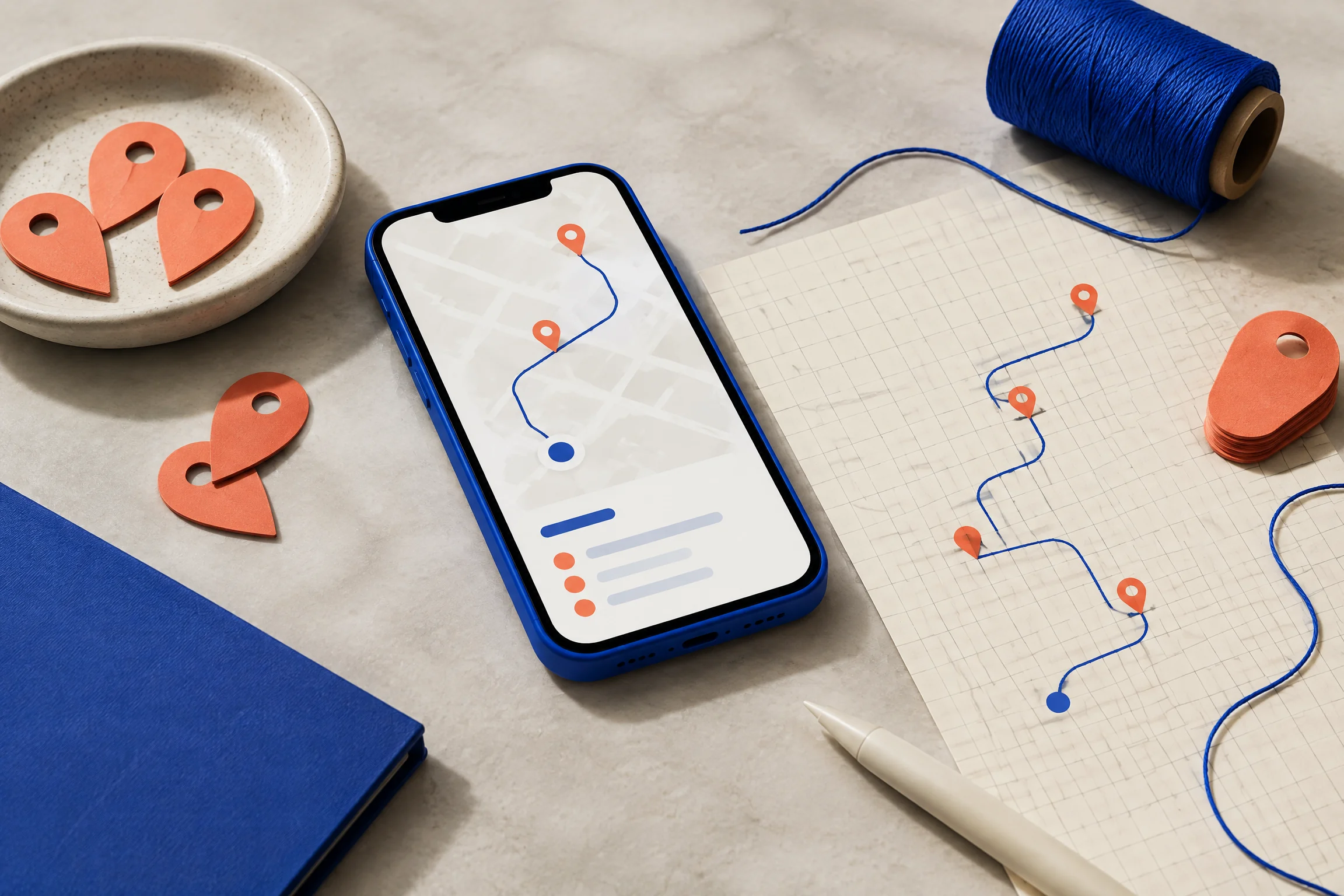
Mobile planning objects on cream table
Designer studying app rehearsal projection

08 / RELEASE SHELF

Make the
first release
easy to revisit.

Select a release lens for the next product conversation.

PROTOTYPE / LEARN THE ROUTE BEFORE SCALING IT

Use a prototype to make the route tangible, name its assumptions and identify the condition a useful next test needs to meet.

09 / ATLAS DESK

Questions for
the next route.

Tifonarexu is suited to a consequential mobile route: a new product needs a practical first map, an existing app has a journey that is difficult to complete, a release needs a clearer state and recovery model, or a team needs interface, services and operations to meet around the same action. The strongest starting point is a real moment a person needs support, not a request for generic screens.

Yes. Work can begin with product framing, user-route design, prototype development, native or cross-platform implementation, service integration, testing, release preparation or a focused handoff to an existing team. The appropriate entry depends on the product condition, collaborators and the question that needs clarity before more effort is committed.

Accessibility and resilience are treated as route conditions: can a person understand the action, control the interface, recover from an interruption and continue without being punished by a missing dependency or changed state? The work can include content hierarchy, touch targets, state design, error language, test practices, performance considerations and supportable handoffs, according to the project’s actual constraints.

Bring the mobile moment or route that needs attention: a new product question, a current screen sequence, a release concern, an integration, a usability condition or a path people are struggling to complete. A sketch, route note or example helps, but finished materials are not required. Please do not send private keys, credentials, customer data or confidential product assets through the public form.
Two designers reviewing mobile prototype

10 / ROUTE CALL

Put the mobile
moment on the
map.

Describe the route that needs a clearer next turn. This is an enquiry, not an automated estimate or a commitment to a development engagement.


Studio shelf with app design materials
BRING A REAL ROUTE, NOT A PERFECT PRODUCT BRIEF.
Evening mobile product exhibition room
TFR / POCKET CARTOGRAPHY

Keep the
place visible.
Make the next
tap count.

Return to atlas